Who Paid for That Five-Star Spin? Reading Slot Reviews Like a Skeptical US Player in 2026

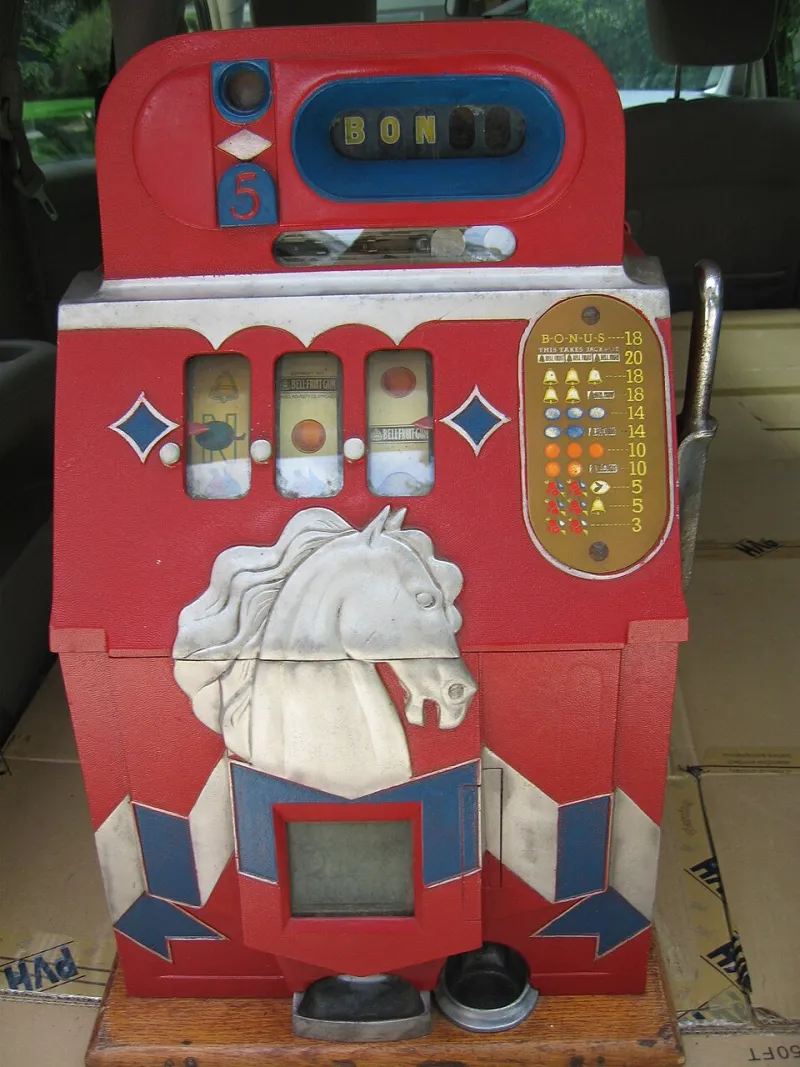
Photo: Official GDC, CC BY 2.0, via Wikimedia Commons
The Review Is Part of the Sales Floor
Walk into any casino floor and you can tell the difference between a helpful host and a pitch. Online, that line gets blurrier. A slot review can look like consumer journalism — screenshots, star ratings, a paragraph about volatility — while quietly functioning as an ad. That does not make every review worthless. It does mean you should read the receipt before you trust the rave.
At Vipzino3, our VIP Pass is supposed to get you closer to slots, bonuses, and big wins without getting played before the first spin. So here is the skeptical US player's guide to reading slot reviews in 2026: not with a tinfoil hat, but with a sharp eye for who is paying for the party.
Start With the Receipt, Not the Rating
A trustworthy review tells you how it makes money. Look near the top, bottom, or sidebar for language like 'we may earn a commission if you sign up through our links.' That is an affiliate disclosure, and it is not automatically a scandal. Many gaming sites use them. The problem starts when a review hides the business relationship and writes like a neutral lab report.
Ask three blunt questions:
- Does the page explain how the site earns money from the game or casino?
- Is there a clear separation between the review and the sign-up offer?
- Does the review mention any downside that could cost the operator a conversion?
If every slot is 'hot,' every bonus is 'generous,' and every casino is 'trusted,' you are not reading analysis. You are reading a brochure with a comments section.
Disclosure Labels Are Not Fine Print
In the US market, disclosure language varies by site. Some publishers put a small 'ad' tag on sponsored content. Others use phrases like 'partner content' or 'affiliate links.' None of these labels are scary on their own. They are a map. They tell you where the money flows.
A review that says 'this casino paid for placement' can still be useful if the writer keeps the praise grounded. A review that buries the same fact in a footer while calling the game 'the most exciting release of 2026' deserves a raised eyebrow. The label matters less than whether the review behaves differently because of it.
One practical trick: read the disclosure first, then read the verdict. If the verdict sounds like it was written before the disclosure was added, you already know the review's job.
RTP Talk Without a Source Is Just Vibe
Return to player, or RTP, is one of the most abused numbers in slot content. A review might say a game has '96% RTP' with no caveat. That sounds clean and scientific. But RTP is not a promise for your session. It is a long-run theoretical figure, and it can vary by game version, casino configuration, and jurisdiction.
When a review throws around RTP, look for context:
- Does it name the game version or provider spec?
- Does it explain that RTP is not a short-term payout schedule?
- Does it admit that the casino's version may differ?
Volatility gets similar treatment. Slots are often labeled low, medium, or high volatility as if those are regulated facts. In practice, providers and reviewers define them differently. A 'medium volatility' slot can still chew through a $20 bankroll like a wood chipper. A good review describes how the game feels — dead spins, bonus frequency, win-size patterns — instead of just stamping a label on it.
Demo Screenshots: Pretty Reels, Zero Proof
Demo-mode screenshots are everywhere in slot reviews. They are easy to produce, easy to dress up, and almost meaningless as evidence of real-money performance. A screenshot of a $4,000 win in demo mode tells you the game can display a $4,000 win. It does not tell you what that session cost, how many spins it took, or whether the game fits your budget.
That does not mean screenshots are useless. They can show the interface, bonus feature design, and paytable layout. They can help you understand whether the game is visually readable on a phone. But when a review leads with a giant fake-money win and never mentions bankroll, spin size, or session length, it is using demo mode as decoration.
Real play-test insight sounds different. It mentions the stuff that does not photograph well: how often the bonus teased, how long a $1 spin session lasted, whether autoplay controls are clear, and whether the game's pacing felt honest or hungry.
The Red Flags That Smell Like Sales Copy
You do not need a journalism degree to catch a soft ad. Watch for these tells:
- No losing sessions. A review that never mentions a cold streak is probably not a review. Slots have cold streaks. That is the product.
- Bonus terms vanish. If the page hypes a deposit match but skips wagering requirements, max cashout, or game restrictions, it is selling the sizzle and hiding the steak.
- Every link is a sign-up link. Genuine coverage usually links to provider info, paytable details, or regulator resources too.
- Urgency language. 'Claim before it disappears' is an ad phrase, not an analysis phrase. Bonuses can expire, but a review should not read like a countdown timer.
- No author, no date, no testing method. In 2026, there is no excuse for anonymous slot content with no explanation of how the game was evaluated.
How Vipzino3 Tries to Keep It Straight
We publish slot reviews because players want a read on a game before they spend. That means the review has to be more useful than the lobby trailer. Our standard is simple: separate what we observed from what the provider claims, label promotional relationships clearly, and do not pretend a demo session is the same as a real-money test.
That does not make us the final word. It makes us a starting point. You should still check the casino's own terms, confirm the game version, and treat every bonus like a contract with a catch hidden somewhere. The house is not your friend. Neither is a review that acts like one.
Your 60-Second Skeptic Check
Before you spin on the strength of a review, do this quick pass:
- Find the disclosure. If there is none, assume there is a business relationship anyway.
- Check whether RTP and volatility claims have context or just numbers.
- Ask whether the screenshots are demo mode and whether the review admits it.
- Look for at least one real drawback. No drawback means no credibility.
- Read the bonus terms yourself. A review is not a substitute for the fine print.
Slot reviews can be helpful. They can save you from a clunky interface, a confusing paytable, or a bonus that is more trap than treat. But in 2026, the smart US player reads the review the same way they read the paytable: with interest, with skepticism, and with one eye on who benefits when the spin button gets pressed.