Turn Down the Volume: How Slot Design Plays Your Brain (And Five Habits That Fight Back)
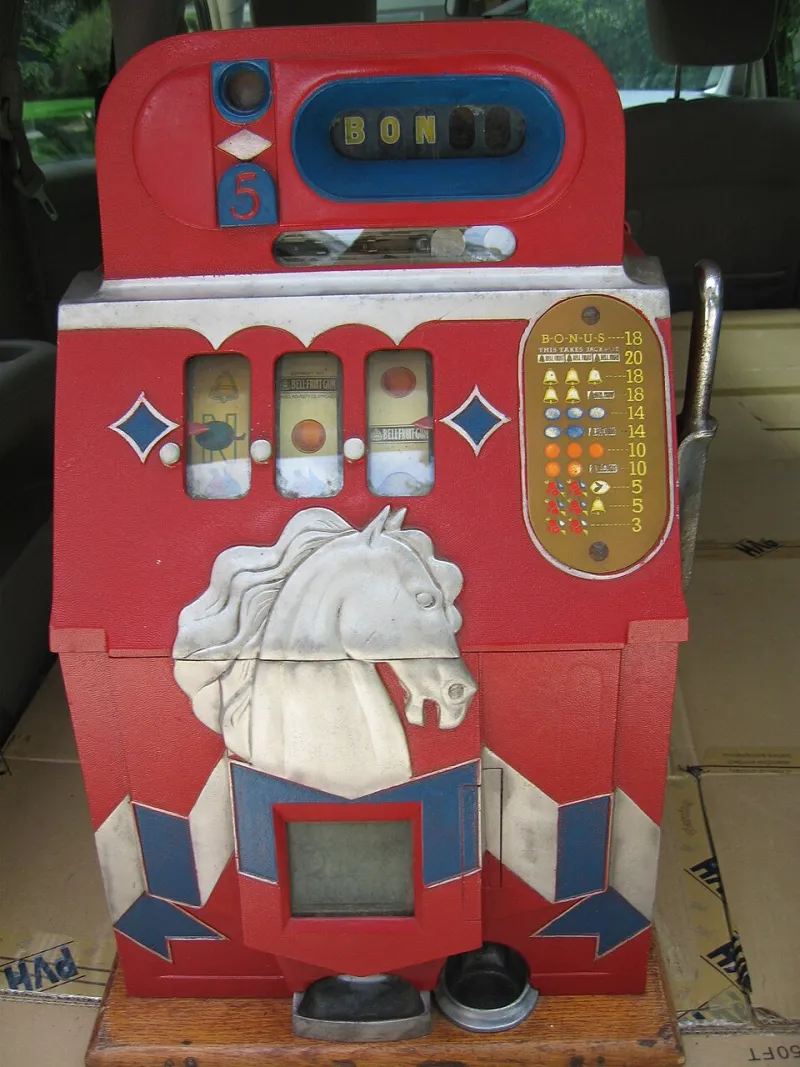
Photo: Gameroom Show, https://www.gameroomshow.com/faq/#Copyright, CC BY-SA 4.0, via Wikimedia Commons
Let's get one thing out of the way: modern slots are some of the most psychologically sophisticated entertainment products ever built. Not a conspiracy — a fact. Studios employ teams whose entire job is making a 96% RTP game feel like it pays more than it does.
I've spent enough hours reviewing these games to develop real respect for the craft and a healthy suspicion of it. Both can be true. Here's what's actually happening when you play — and how to keep the spectacle on your side of the table.
The Soundtrack Is Doing Heavy Lifting
Close your eyes during a slot session and notice something: the losses are quiet. The wins — even the ones that pay less than your bet — come with fanfare.
That's not an accident. Audio designers calibrate win sounds to trigger a small dopamine response regardless of the payout size. A 0.4x 'win' gets the same celebratory chime as something meaningful. Researchers call the phenomenon 'losses disguised as wins,' and once you hear it, you can't unhear it. That spinning coin sound after a bet of $1.00 returns $0.30? The machine is throwing you a party for losing money.
The fix: Play a session with sound off. Seriously. The math doesn't change, but the emotional pull does, and it's genuinely startling how much quieter your urge to chase becomes.
Near-Misses: The Closest Lie in Gaming
You know the moment. Two bonus symbols land, the third one teeters just above the payline, slows down dramatically, and slides past. Your heart does the thing. Your brain files it under 'so close, next one's coming.'
Here's what the paytable won't say: on most modern video slots, that near-miss is choreographed. The reel strip and the RNG decide the outcome first; the animation then decides how to present it. Developers can weight how often near-misses are displayed independently of the actual odds — and they do, because near-misses keep players seated.
The dramatic reel slowdown, the 'anticipation' effect when bonus symbols stack up — none of it changes the outcome. It's all theater performed after the math is done.
The Bonus Buy Tease
Feature buy buttons are the most profitable real estate in game design. The pitch: skip the grind, pay 80x–150x your base bet, jump straight to the good part.
What the button doesn't advertise is the variance math. Buying a bonus doesn't improve your RTP — in many games, the bonus-buy RTP is actually a hair worse than base play. What it does do is compress hundreds of spins' worth of losses into a single click, which means your bankroll swings harder and your session can end in ninety seconds flat.
The tease works because bonus rounds are where the highlights live. Every promo video, every streamer clip, every big-win graphic is bonus round footage. Of course the front door looks boring — the marketing budget lives in the back room.
Losses Disguised as Wins, Part Two: The Paytable Itself
Read a paytable closely and you'll notice the 'win' thresholds. Games count any return above zero as a hit, and hit frequencies of 25–35% are common. Sounds generous! But when most of those hits return less than your stake, the hit frequency stat becomes a magic trick. A game that 'hits every three spins' can still eat your balance at a perfectly steady rate.
Five Habits That Actually Help
You don't need to quit slots to outsmart them — you just need better defaults. Here's the toolkit:
- Set a loss limit before the first spin, not during. Decide the number while you're calm, write it down, and treat it like a cover charge. When it's gone, the show's over.
- Play with the volume down or off. Strip out the audio layer and the emotional engineering loses half its power. Bonus: you can finally hear yourself think.
- Reframe every 'win' against your bet, not zero. Before you feel good about a hit, ask one question: did it return more than I staked? If not, it was a loss with confetti.
- Skip the bonus buys on a down swing. Feature buys are the highest-variance click in the building. If you wouldn't buy three of them in a row, don't buy one. And never buy one 'to get it back.'
- Time-box the session with an actual timer. Slot design erodes time perception — that's documented. Your phone's clock is the only neutral referee in the room.
The Spectacle Is Still Worth Watching
Here's my honest take after years of reviewing these games: slots are gorgeous, weird, creative pieces of entertainment, and the psychology isn't inherently evil — it's the same craft that makes great movies gripping. The problem starts when the spectacle is the only thing you're seeing.
Play the games you love. Enjoy the jingles, the animations, the bonus rounds. Just know when the machine is celebrating for you and when it's celebrating at you. That one distinction is worth more than any betting system ever sold.
Slots are entertainment, not income. If play stops being fun, call 1-800-522-4700.